Light Filtering vs. Room Darkening vs. Blackout Shades: Which Do You Need?
Choosing window shades in Central Texas usually comes down to one question: how much light do you want to keep out? “Light filtering,” “room darkening,” and “blackout” describe three levels of fabric opacity, and picking the right one for each room is the difference between a space that feels perfect and one you end up replacing.
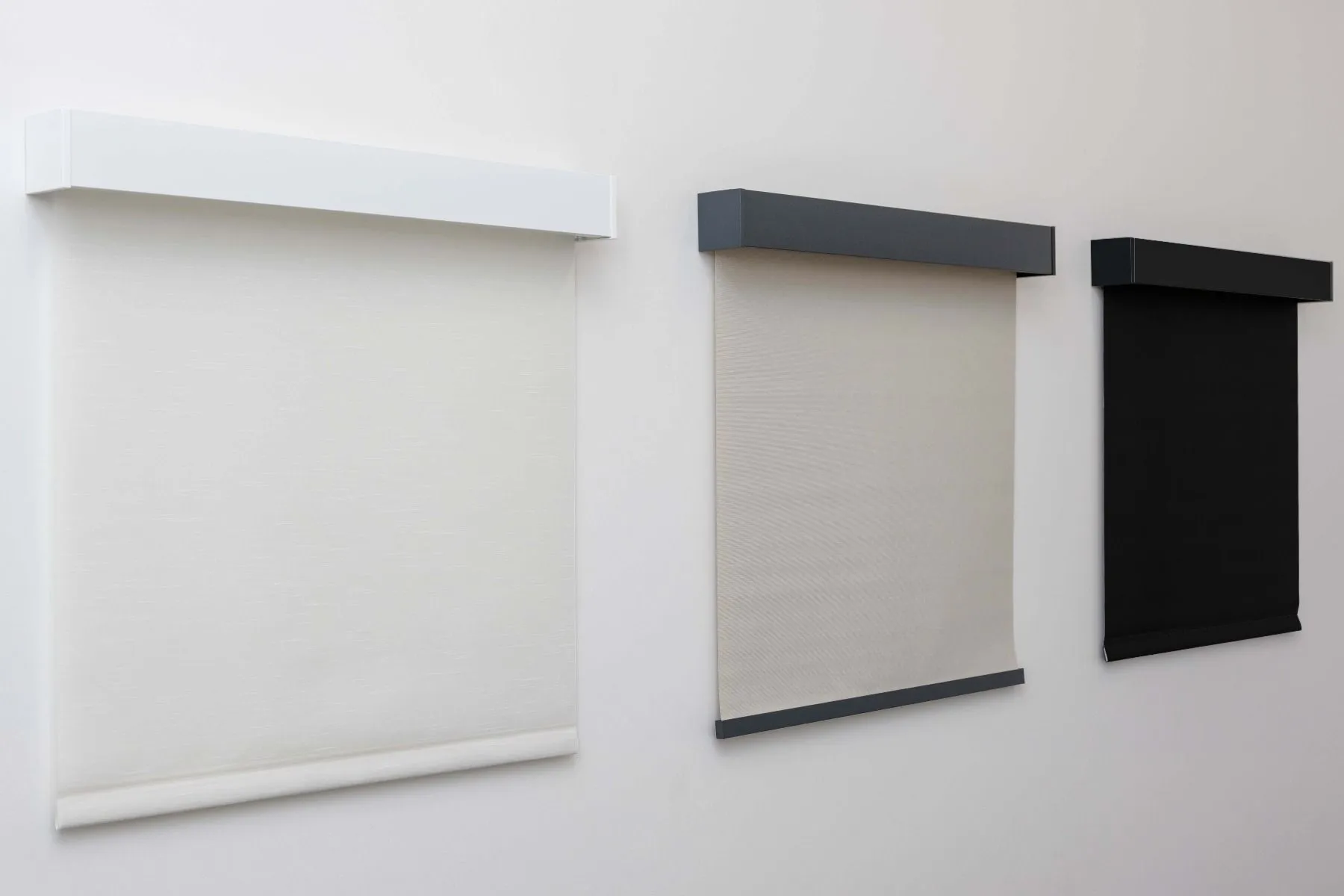
Light-filtering shades
Light-filtering fabrics soften and diffuse sunlight while keeping the room bright. They cut glare and add daytime privacy without making a space feel closed in. Best for living rooms, kitchens, and home offices. On our window shades and roller shades, light-filtering weaves are the most popular pick for main living areas.
Room-darkening shades
Room-darkening fabrics block most light but not all — a small amount edges in around the sides. They’re the middle ground. Great for bedrooms where you want it dark but not pitch black, and living rooms with a west-facing TV.
Blackout shades
Blackout fabrics block essentially all light through the material, and with a side channel or outside mount they get a room close to pitch dark. Ideal for primary bedrooms, nurseries, shift-workers, and media rooms. In Central Texas, blackout shades also cut the most heat from harsh afternoon sun.
Which should you choose?
Bedroom: room-darkening for most; blackout if you sleep during the day. Media room: blackout with side channels. Living room/kitchen/office: light-filtering. Nursery: blackout. You can mix opacities by room, or layer a light-filtering shade with drapes.
Shade opacity questions.
What’s the difference between room-darkening and blackout?
Room-darkening blocks most light but leaks a little around the edges; blackout blocks nearly all of it through the fabric, and with side channels gets a room close to pitch dark.
Do blackout shades help with Texas heat?
Yes — blackout fabrics block the most sunlight, so they cut the most heat gain on sunny, west-facing windows.
Which is best for a bedroom?
Room-darkening suits most bedrooms; choose blackout if you need the room fully dark for daytime sleep.